Signals Gateway
keep yours. "Taking server-side ad tracking, normally a job for engineers, and turning it into something a normal user could set up in about fifteen minutes" is already good.
TL;DR
iOS 14 broke conversion tracking and left advertisers spending half blind. I was one of three designers on Signals Gateway, the product that let businesses send conversion events from their own servers without an engineering project. Setup went from weeks to roughly fifteen minutes, and recovered signal contributed to around 13% lower cost per action.
Context
When Apple's iOS 14 update let people opt out of tracking, a lot of them did. Almost overnight, advertisers lost sight of a big chunk of what happened after someone clicked an ad. Did they buy something? Sign up? It got a lot harder to tell, and budgets were being spent half blind.
There was a fix. Instead of relying on the phone, a business could send its conversion events straight from its own servers to Meta. The catch was that setting it up was a full engineering project, with APIs, server config, and debugging that most marketing teams had no way to touch.
My role
My job was making infrastructure feel approachable. Signals Gateway had to take a process built for developers and hand it to the people who actually needed it: marketing teams with no engineer on call. I owned the setup experience, the connection diagnostics, and the design language that kept a technical product feeling calm.
Key decisions
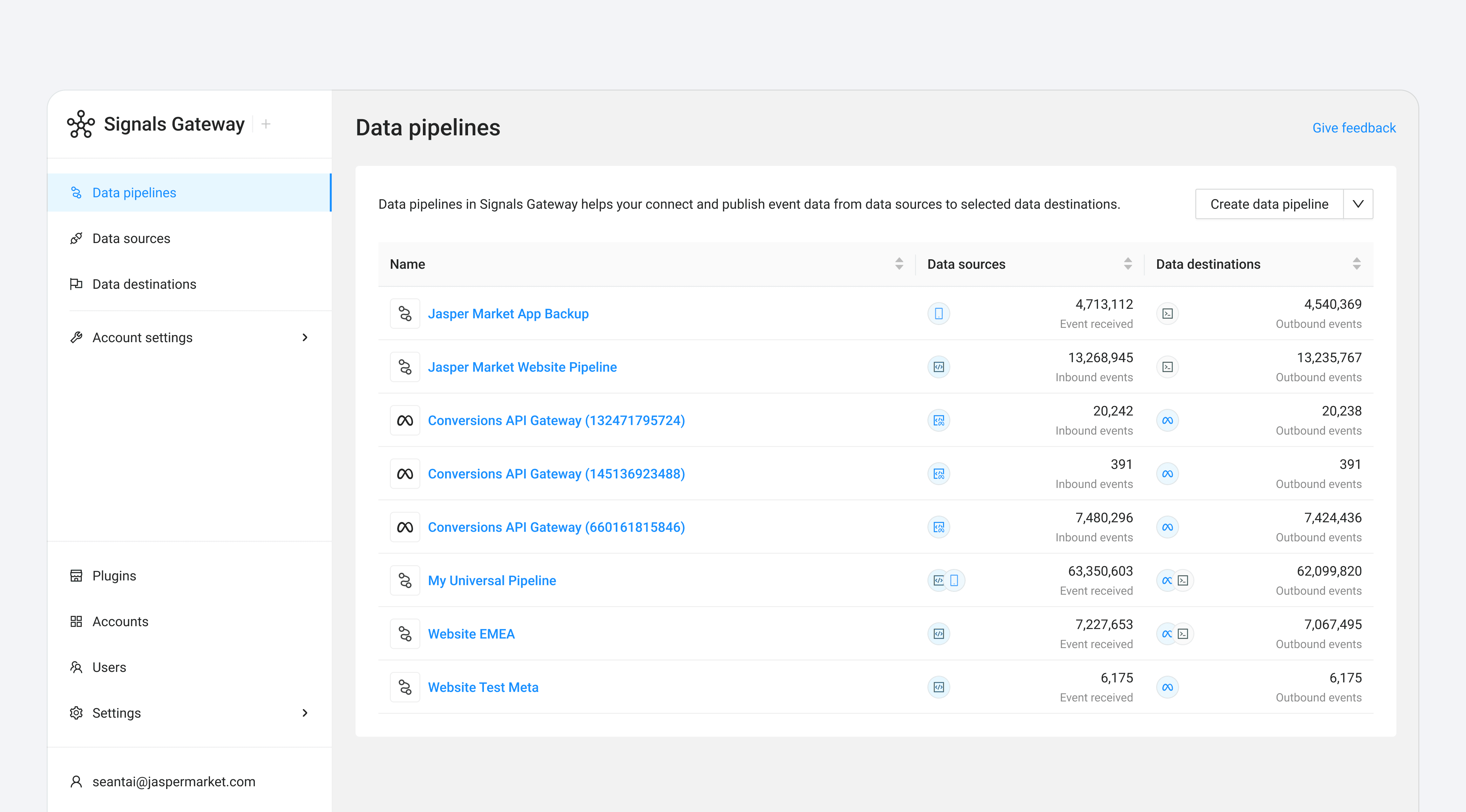
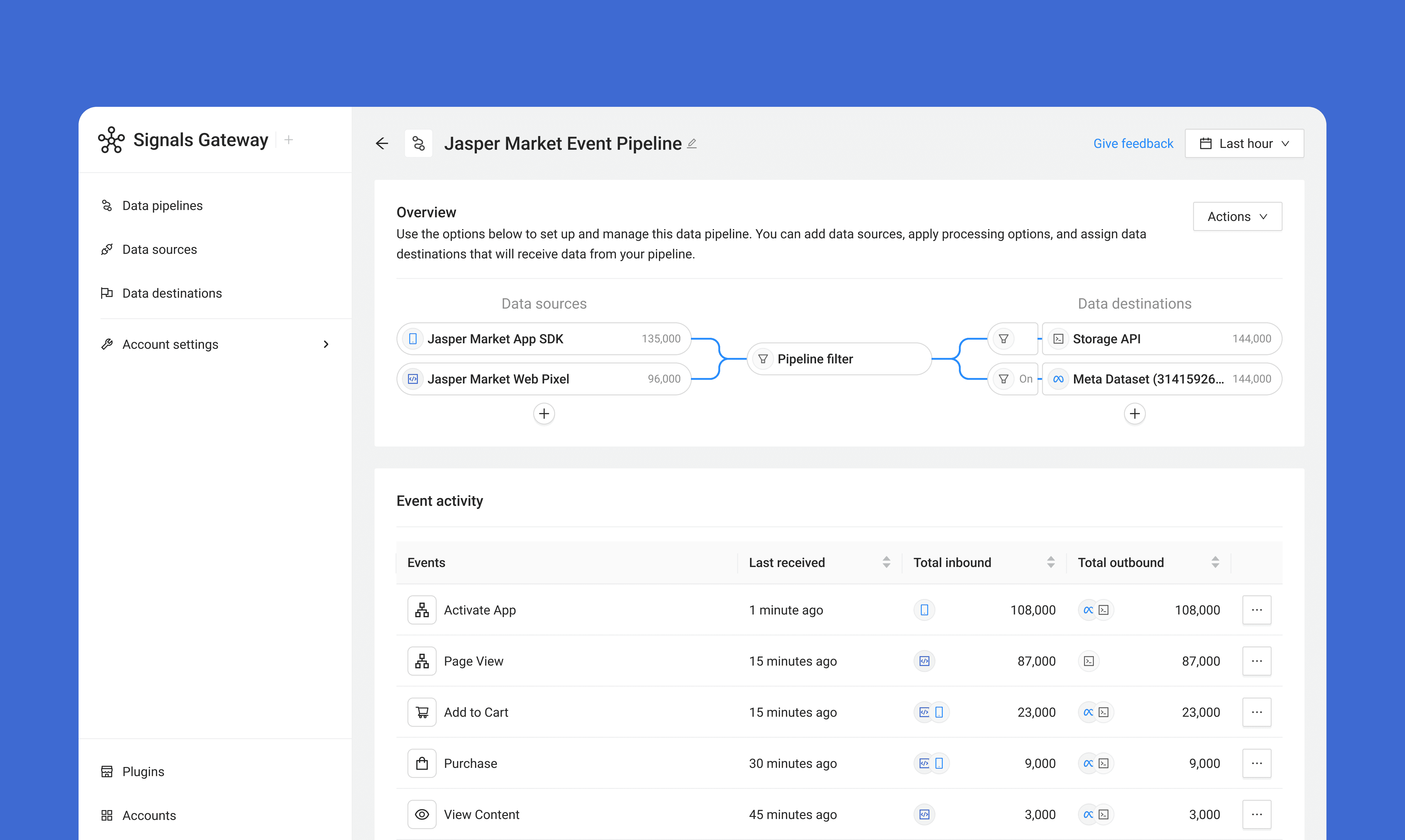
Diagnostics you can actually read. Data pipelines fail quietly. Events stop flowing, nothing errors, and you find out weeks later when the numbers look off. I designed a connection health view that shows exactly where events were getting lost, so a marketer could spot the break and fix it without filing a ticket or waiting on an engineer.
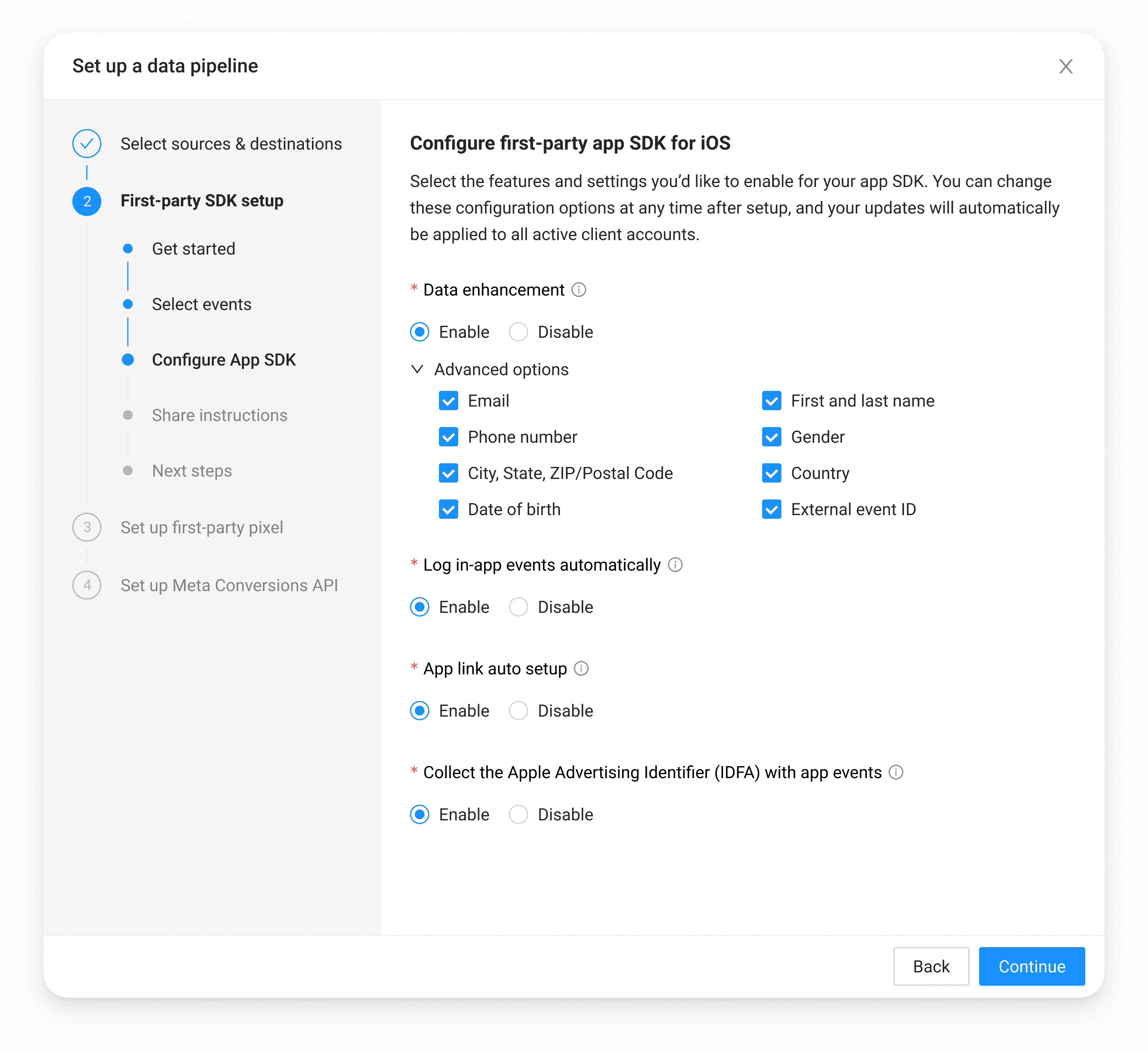
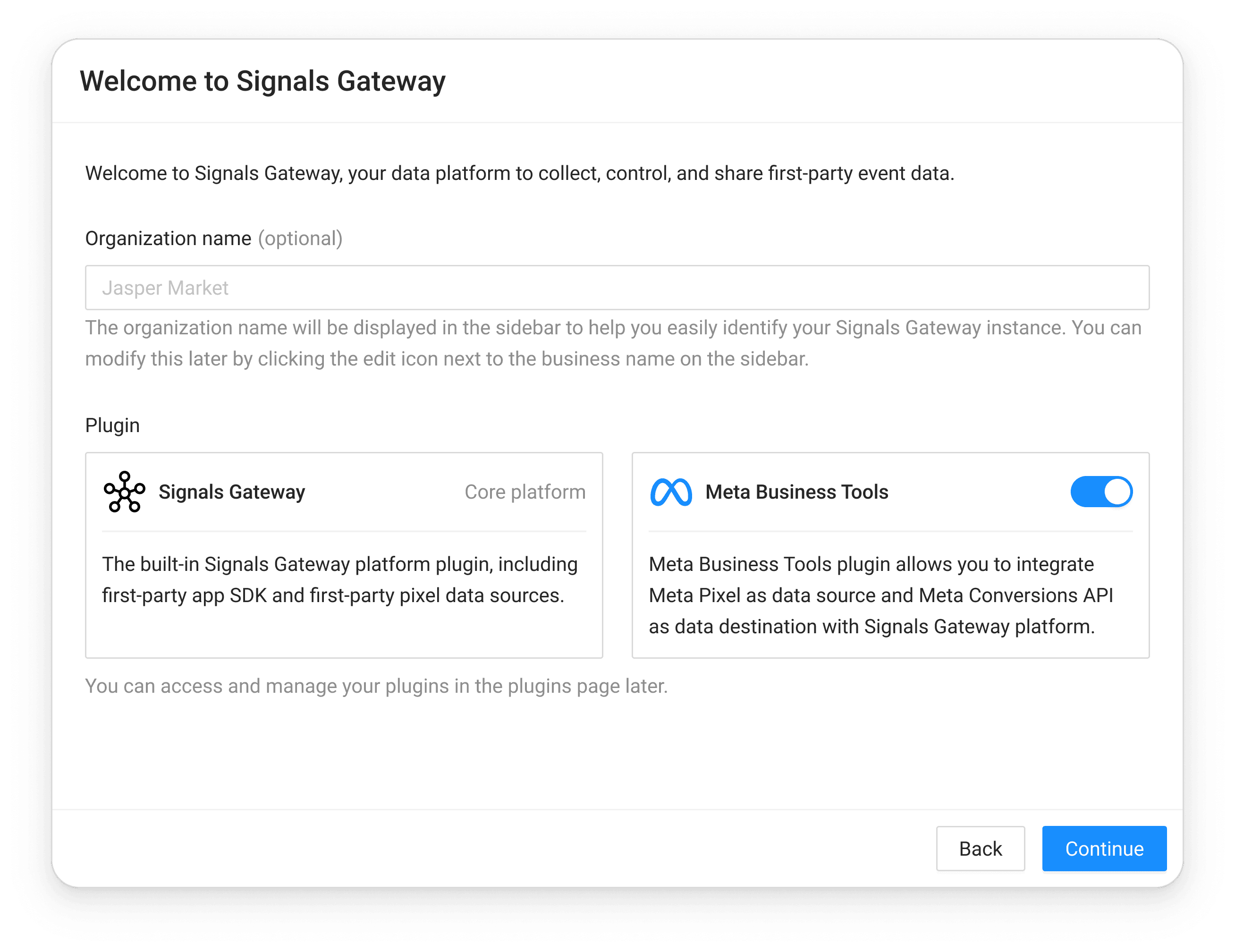
Setup in plain language. The technical reality is APIs, server config, and data mapping. The flow walks through it one decision at a time in the advertiser's vocabulary, not the engineer's. That translation is what collapsed setup from weeks of back-and-forth to about fifteen minutes, run by the team itself.
Recovering lost signal. We shipped a set of features called Signal Resilience that caught events that would otherwise slip through the cracks. Small on paper, but for an advertiser it's the difference between an ad system that's guessing and one working from the full picture.
Outcome
When Apple's iOS 14 update let people opt out of tracking, a lot of them did. Almost overnight, advertisers lost sight of a big chunk of what happened after someone clicked an ad. Did they buy something? Sign up? It got a lot harder to tell, and budgets were being spent half blind.
There was a fix. Instead of relying on the phone, a business could send its conversion events straight from its own servers to Meta. The catch was that setting it up was a full engineering project, with APIs, server config, and debugging that most marketing teams had no way to touch.